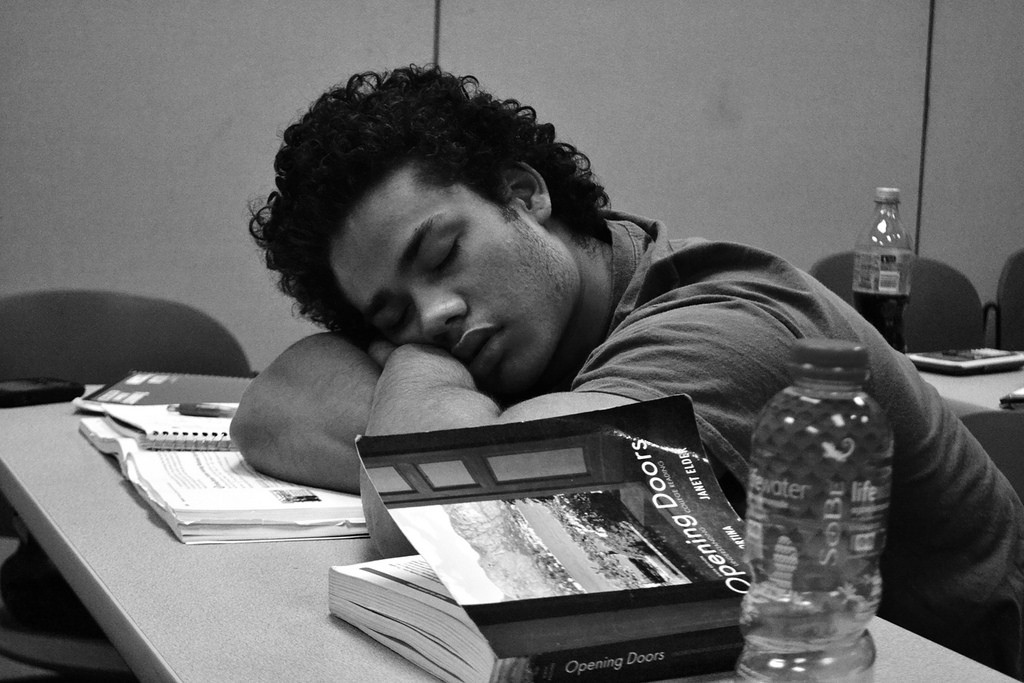
In college sports, athletes are known for having the most packed schedule. In regards to not only having to perform on the field, the athlete also has to perform inside the classroom.
According to a study conducted by the National Collegiate Athletic Association (NCAA), student-athletes reported spending, on average, nearly 40 hours per week on academics. Couple this with the nearly 45 hours spent on athletics, and the student-athletes have a combined time commitment of 85 hours per week.
Travel time is often left out when considering the hours spent by the student-athletes. During competitions, sports teams are elected to travel by bus or plane to get to their designated game location. In between this traveling time, the student-athletes are scrambling to find the time to get their academic workload completed, along with staying prepared to perform on the field.
Balancing travel time, academics, and an athletic workload can seem as a daunting task in itself, but student athletes continue to defy the overwhelming tasks placed ahead of them.
For the athlete, prioritizing time management during travel time is a necessity. Class attendance is often missed, leaving the lesson plans and assignments unassisted for a athlete to finish.
In order to help assist with the workload, colleges have employed specialized academic guidance counselors that are made available for the student athletes to help manage their academics. However, this type of assistance is often left unavailable during the travel time.
The balancing of time management within travel time, academics, social life, and the pressure to perform consistently on the field is an obstacle that is overlooked to the outsiders of college athletics.

 Mind Game