Athlete Identity and Career Transitioning

Identity participates in the psychological career planning of an athlete. The correlation between self-identity and career development has transition into maturity, especially of male college student athletes. College students are encouraged to engage in self-exploration in order to determine a clear sense of self, direction and correlation. Playing a sport can complement or impede the process, it solely depends on the athlete.

Athletic identity can lead an athlete to neglect other areas of life. Things such as family, friends, and school work for student athletes. But there is some potential positive influence that comes with self-identity. Why does this matter? Sport participation especially in the culture is rather encompassing for the delicate athlete. The hours spent competing and training is exhausting and often doesn’t leave time for anything else besides school.

There’s always hep when the athlete needs it. It’s a pivotal point in life when the athlete needs help transitioning. Coping with career change should be the absolute concern of helping the athlete. Parents and the coach should be there for these athletes. and the belief that one’s career outcomes are unaffected by one’s actions are associated with lower self-efficacy for career decision-making tasks. In addition, student-athletes reported spending anywhere from 20 to 30 or more hours per week participating in their sport, yet few expressed an expectation to advance to the professional rank.

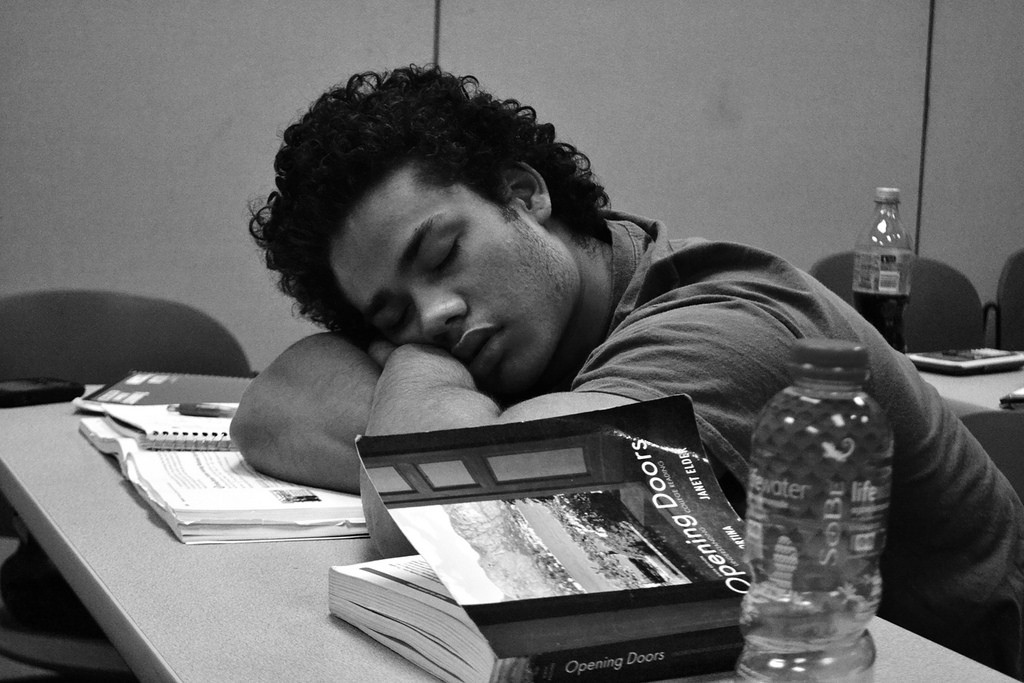
Life as a Student-Athlete

Image result for life as a student athlete

According to the NCAA website, there are 460,000 National Athletic Association student-athletes across the United States. The thought that student athletes have it easier than an average student is something that has always been talked about, but unless you have experienced being a student athlete than there’s not much to argue.

Being a student athlete definitely has it perks, but no one ever really sees or understands what happens behind the scenes. Fans are quick to judge and express their opinions about a player simply because of what they see on TV, but have no clue as to why maybe a certain athlete isn’t playing or why he is having a bad game. A lot of times people forget that athletes are human to who have feelings and emotions.

Social media plays a huge role in the sports industry which has benefitted and allowed millions of people to have easy access to stay updated with their teams. Unfortunately, there can be a lot of inappropriate and insensitive comments either indirectly or directly to a specific athlete which can potentially affect their lives.

Depression has become a common factor in a lot of athletes daily lives which has impacted how they live, perform, and even their thoughts of wanting to continue being a student athlete. Mental illness is something that is often overlooked because people think that all athletes are strong and have a strong mentality, but don’t take into consideration the potential outcomes. Suicide has increased over the years and is something that not only NCCA overlooks, but people as well.

Nothing in life comes easy and for student athletes, things can become difficult really fast. Athletes face challenges and obstacles every day, but they have goals and dreams just like everyone else.

Balancing Travel Time as a Student-Athlete

In college sports, athletes are known for having the most packed schedule. In regards to not only having to perform on the field, the athlete also has to perform inside the classroom.

According to a study conducted by the National Collegiate Athletic Association (NCAA), student-athletes reported spending, on average, nearly 40 hours per week on academics. Couple this with the nearly 45 hours spent on athletics, and the student-athletes have a combined time commitment of 85 hours per week.

Travel time is often left out when considering the hours spent by the student-athletes. During competitions, sports teams are elected to travel by bus or plane to get to their designated game location. In between this traveling time, the student-athletes are scrambling to find the time to get their academic workload completed, along with staying prepared to perform on the field.

Balancing travel time, academics, and an athletic workload can seem as a daunting task in itself, but student athletes continue to defy the overwhelming tasks placed ahead of them.

For the athlete, prioritizing time management during travel time is a necessity. Class attendance is often missed, leaving the lesson plans and assignments unassisted for a athlete to finish.

In order to help assist with the workload, colleges have employed specialized academic guidance counselors that are made available for the student athletes to help manage their academics. However, this type of assistance is often left unavailable during the travel time.

The balancing of time management within travel time, academics, social life, and the pressure to perform consistently on the field is an obstacle that is overlooked to the outsiders of college athletics.